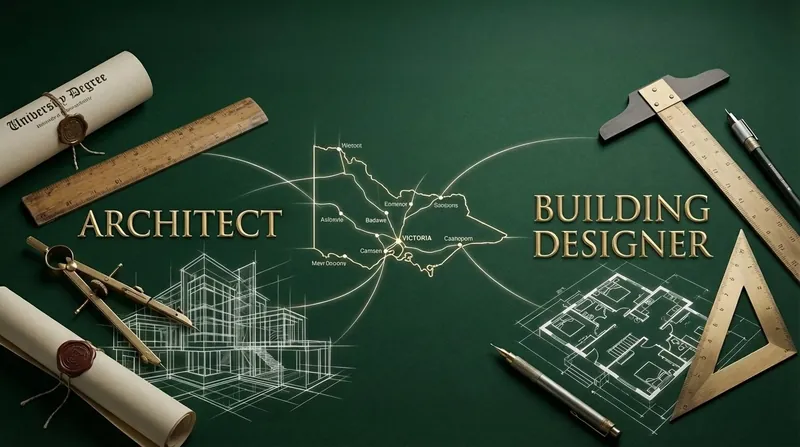
Architects are professionals trained in the art and science of building design. But what does an architect do? They do create the conceptual designs for structures and turn those concepts into images and plans. When you engage an architect’s services, you’re not simply hiring someone to draft blueprints. Their responsibilities extend to considering the aesthetics, functionality, and safety of the intended structure within the environmental context and the needs of the users.
In your journey to constructing a new building, renovating your home, or developing a commercial space, an architect plays a crucial role. These experts coordinate with builders, engineers, and local authorities to ensure that the physical structure materialises as envisioned. They often oversee construction from the planning phases through to the execution of the design, all the while ensuring compliance with various regulations.
Should you hire an architect? It’s worth considering if you value professional input on maximising space, utility, and design aspects of your project. With their comprehensive suite of services, from initial design sketches to detailed construction documents and contractor negotiations, architects facilitate a smoother building process. They are also indispensable for navigating complex zoning laws, building codes, and navigating the fine details of sustainable design practices.
Understanding the Role of an Architect
When you consider the creation of buildings and spaces, architects are the professionals who bring these concepts to life, marrying creative design with practical application.
Defining the Profession and Its Significance
An architect is a trained individual who plans, designs, and oversees the construction of buildings. Playing a critical role in shaping the built environment, architects ensure that the structures they design are not only aesthetically pleasing but also functional, safe, and sustainable. Their influence extends beyond merely the visual, impacting the way you live, work, and interact within spaces.
Education and Registration
Becoming an architect in Australia involves a rigorous process of education and registration. Prospective architects must complete an accredited architecture program, which typically includes a three-year Bachelor’s degree followed by a two-year Master’s degree. After education, a period of practical experience is required, culminating in registration with the Architects Registration Board of Victoria (ARBV), ensuring that registered architects possess the requisite knowledge and skills to practice competently.
Essential Skills and Traits
The role of an architect involves a diverse set of skills and traits, central to which are problem-solving abilities and creativity. Architects use these skills to address design challenges and client requirements innovatively. They must also have a strong technical knowledge of building processes, materials, and legal guidelines to ensure that their designs meet all necessary codes and regulations. Strong communication skills are vital, as architects frequently coordinate with clients, engineers, and builders to bring a project to fruition.
Architects and the Design Process
At the heart of your architectural project, you are supported by a systematic process that transforms your vision into blueprints for construction. This involves thoughtful ideation, precise planning, and a careful balance of beauty and practicality.
Developing Design Concepts
Your architect embarks on the journey by conceptualising a design that aligns with your vision, requirements, and the specific context of the site. Creativity is paramount as they explore various ideas, balancing innovation with realistic project constraints. This stage is iterative, with architects presenting feasible solutions and refining them based on your feedback and site conditions.
Creating Plans and Drawings
Following a clear design concept, architects produce detailed plans and drawings to convey the design intent. They employ tools such as CAD (Computer-Aided Design) and AutoCAD, which facilitate precision and modifications. Moreover, these documents serve as crucial references for contractors and help in acquiring necessary permits and approvals.
- Detailed floor plans
- Elevations and sections
- Structural details
- Electrical and plumbing schematics
Consideration of Aesthetics and Functionality
Throughout the design process, architects are continuously evaluating the aesthetic appeal and functional aspects of the spaces they design. Your architect ensures that the final design is not only visually compelling but also fulfils your practical needs. They achieve a symbiotic relationship between form and function, enhancing the quality and usability of the final space.
Project Management and Execution
In the realm of architecture, your project’s success heavily relies on meticulous management and skilful execution. Your architect becomes a pivotal force in driving the project from concept through completion while ensuring that the design vision is realised with precision.
Coordinating with Professionals
Your architect acts as the supreme coordinator among a diverse team of professionals. This includes syncing construction schedules with contractors, orchestrating the collaborative efforts of engineers and specialists, and liaising with surveyors to ensure that the project remains true to planned designs, timescales and budget. Management of these multifaceted relationships is paramount to the project’s fluency.
- Contractors & Specialists: Regular meetings and clear communication lines ensure that your architect synchronises the intricate dance between varied expertise.
- Engineers & Surveyors: Harmonising the technical aspects of your project involves your architect integrating structural, electrical, and mechanical contributions so they align with the overall architectural plan.
Oversight of Construction Process
Throughout the construction phase, your architect conducts periodic site visits to offer supervision and verify that the work adheres to the established schedule and maintains your expected level of quality. This oversight includes:
- Assessing the workmanship for quality control.
- Ensuring that the safety standards are consistently met.
- Reviewing the progress against the timeline, making adjustments to the schedule if necessary.
Through their presence, you can feel confident that your project is in professional hands, mitigating potential disruptions with proactive measures.
Regulations and Building Codes Compliance
Your architect is your safeguard when it comes to navigating the complex web of regulations and building codes. Compliance is non-negotiable, and the responsibility falls to your architect to interpret and apply these standards accurately to your construction project.
- Building Codes: Ensures your project meets all local and national building codes, including fire safety, accessibility and energy efficiency requirements.
- Regulations: Maintains up-to-date knowledge of regulatory changes that could impact the project, and seamless incorporation into the build means you can have peace of mind regarding legal compliance.
Get the 7-point site check to run before committing to a permit application — zoning, overlays, setbacks and council red flags, in plain English. Free PDF, instant download.
- Zone, overlay & setback checks
- What council assesses first
- Permit-readiness red flags
Something went wrong. Please try again.
No spam. Unsubscribe anytime.
Check your inbox — your checklist is on its way.
Client Engagement and Communication
Successful architecture hinges on robust engagement and clear communication with you, the client. These interactions are crucial throughout the architectural process, ensuring your needs and preferences are met effectively.
Initial Consultations and Briefings
Your journey begins with initial consultations, where you discuss your vision and requirements with your architect. This stage lays the foundation for the project. It’s where you’ll express your preferences and expectations, and the architect will gather vital information to shape the design brief. It is important to be clear about your needs and any constraints you have in mind.
- First meeting: Your architect will likely ask detailed questions to understand your goals and the scope.
- Documentation: Any existing plans or ideas you have should be shared.
Feedback and Iterative Design
Designing your project is a collaborative process involving ongoing communication. As your architect presents initial concepts, your feedback is essential in shaping the design. This iterative process ensures the final design aligns with your expectations.
- Presenting ideas: Expect to see sketches, 3D renderings, and potentially virtual walkthroughs.
- Revisions: Be prepared to recommend changes as you see fit, with your architect refining the designs accordingly.
Navigating Client Relationships
The relationship between you and your architect should be based on mutual respect and understanding. Your architect’s experience will guide you through the process, from initial ideas to project completion.
- Trust: You need to trust your architect’s expertise while they respect your inputs and decisions.
- Communication styles: Establish preferred methods of communication, be it meetings, phone calls, or emails.
Specialisations within Architecture
When you engage an architect, you’re tapping into a rich field of specialisation, enabling you to find the right expert for various types of projects, whether it’s for houses, offices, parks, or historic structures.
Residential and Commercial Architecture
Your project’s purpose greatly influences the choice between residential and commercial architects. Residential architects specialise in designing homes tailored to individual style and needs, considering functionality and family life. Whether you’re building a new home or extending an existing one, they are adept at creating comfortable living spaces. On the other hand, commercial architects focus on offices and commercial buildings. They emphasise on factors like work efficiency, incorporating advanced systems and making sure the structure adheres to strict building codes for safety and accessibility.
Landscape and Green Architecture
If you’re aiming to enhance outdoor spaces or are keen on sustainable design, landscape and green architects are your go-to specialists. Landscape architects arrange parks, gardens and outdoor spaces, ensuring they’re both aesthetically pleasing and functional. They skilfully blend natural elements with human-made structures. Green architects, on the other hand, prioritise environmentally friendly and energy-efficient design practices to minimise the ecological impact. They’re crucial if you’re looking to achieve a green certification for your project or desire a space that aligns with eco-conscious values.
Restoration and Preservation Specialists
When dealing with historic structures or properties of heritage significance, you’ll want to consult with restoration and preservation specialists. Restoration architects are proficient in reviving structures to their former glory, often incorporating modern functionality without compromising historical integrity. Preservation specialists focus on maintaining the existing fabric of a site, ensuring that your project honours its past while meeting present standards. This delicate balance of old and new is crucial when the historical significance is paramount.
Impact of Architecture on Society
The spaces you inhabit and interact with daily are profoundly influenced by architecture, shaping your community, well-being, and the environment.
Enhancing Public Spaces and Communities
Your local parks, libraries, and public squares receive their character and functionality from thoughtful architectural design. Architects consider the social fabric of your community when designing these spaces, ensuring they are not only aesthetically pleasing but also promote social interaction and inclusivity. The right mix of landscapes and buildings creates vibrant spaces where you can engage with your community.
Sustainability and Environmental Considerations
Architects have a pivotal role in reducing the environmental impact of buildings by prioritising sustainability in their designs. This encompasses energy-efficient construction methods, use of renewable energy sources, and sustainable materials that lessen both environmental footprint and running costs. Through such sustainable practices, the buildings you live or work in contribute to a healthier environment.
Architect’s Influence on Quality of Life
Every aspect of the buildings you spend time in, from the interiors to the overall layout, can affect your health and mood. Architects strive to create spaces that enhance your quality of life, with considerations for natural light, ventilation, and acoustics. These elements are critical in making spaces where you can thrive, be it at home, work, or play.
Frequently Asked Questions
Understanding the intricacies of an architect’s role can clarify the value they bring to a construction project and the skills necessary for their profession.
What are the primary responsibilities of an architect in a construction project?
An architect’s primary responsibilities in a construction project encompass developing design concepts, preparing drawings and specifications, and overseeing construction phases to ensure the final structure aligns with your vision and complies with regulatory standards.
Which skills are essential for a successful career in architecture?
Essential skills for a successful career in architecture include strong spatial awareness, creativity, proficiency in design software, knowledge of building codes and legislation, and communication skills enabling effective collaboration with clients and construction professionals.
How do daily activities of an architect differ from those of an engineer?
An architect focuses on the aesthetic and functional design of your building, while an engineer concentrates on the technical aspects, such as structural integrity, engineering systems, and ensuring the project meets safety standards and environmental objectives.
Can you describe the various services provided by an architect when constructing a new home?
When constructing a new home, an architect provides services that include creating a tailored design, navigating planning permissions, selecting materials, and project managing to ensure the build is completed on time, within budget, and to the high standards you expect.
Why is it beneficial to engage an architect for your building or renovation project?
Engaging an architect for your building or renovation project can lead to a more innovative and functional design, assistance with project management, and assurance that your investment meets current building standards and adds value to your property.
Wrapping up
Architects are essential in shaping our built environment, from designing functional spaces to creating aesthetically pleasing structures. Their expertise and knowledge bring visions to life.
If you have any questions or need further insight into the role of an architect, contact SQM Architects. Our team is passionate about architecture and is here to provide guidance and support. Reach out to us today to discuss your architectural project needs and how we can bring your ideas to reality.
SQM Architects – ABN 32 600 928 390, ARBV Reg. No. 51498