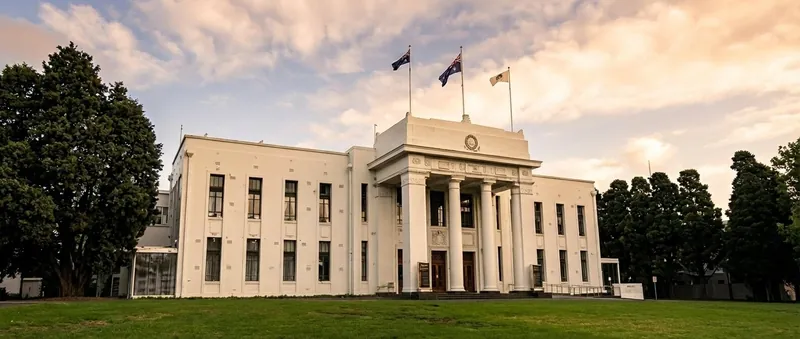
Navigating development in Whitehorse requires understanding complex planning controls across suburbs including Box Hill, Burwood, Mitcham, Vermont, and Forest Hill. The Whitehorse Planning Scheme is a legal document that specifies how land can be used and developed throughout the municipality, containing zoning maps, overlay controls, and planning policies that directly impact project feasibility and approval outcomes.
This guide provides local intelligence on council preferences, typical approval timeframes, and strategic opportunities specific to Whitehorse that can save developers months of delays and costly application mistakes. Understanding which zones dominate the municipality, how key overlays affect different suburbs, and what issues commonly trigger objections gives developers a significant advantage when planning projects.
SQM Research brings extensive Melbourne expertise to this analysis, drawing on practical experience with planning and building processes in Whitehorse. The following sections break down everything from activity centre locations to officer expectations, helping developers identify opportunities and navigate the approval process efficiently.
Council Overview
Whitehorse City Council operates in Melbourne of Melbourne, Victoria, serving a diverse community through the delivery of essential local government services. The Integrated Council Plan 2025-2029 acts as a shared roadmap that guides the organization’s work program and represents a new direction as it embraces change.
The council delivers more than 100 legislated and non-legislated services to the Whitehorse community. These community-facing services are supported by internal corporate functions that enable effective service delivery across the municipality.
Council officers provide policy advice, strategic planning guidance, and initiative development to implement the programs and projects outlined in planning documents. Their work focuses on achieving the Whitehorse 2040 Community Vision through coordinated service delivery and strategic implementation.
Key Planning Documents:
- Integrated Council Plan (4-year strategic roadmap)
- Investment and Economic Development Strategy
- Social Enterprise Policy
- Various service-specific strategies and plans
The Council Plan details what will be delivered to the community, how services will be provided, and how progress will be measured. This planning framework responds directly to community feedback gathered through broad engagement processes.
Annual reviews ensure that all council service planning, strategies, and processes align with the key directions outlined in the Council Plan. This systematic approach maintains consistency across the organization’s operations and keeps activities focused on community priorities.
Dominant Zones
The Whitehorse Planning Scheme establishes specific zones that determine how land can be used and developed across the municipality. These zones form the foundation of all planning permits and planning decisions.
Residential Zones
The municipality contains several residential zone types that accommodate different housing densities. General Residential Zones permit single dwellings, dual occupancies, and some medium-density housing. Neighbourhood Residential Zones focus on maintaining lower-scale development with stronger character protections.
Residential Growth Zones appear along major transport corridors and activity centers. These areas support higher-density development including apartments and mixed-use buildings.
Commercial and Mixed-Use Zones
Commercial zones cluster around major shopping strips and activity centers throughout Whitehorse. These zones permit retail, office, and business uses with varying scale requirements.
Activity Center Zones combine residential and commercial uses in key locations. They encourage mixed-use developments that integrate shops, services, and housing within walkable precincts.
Special Purpose Zones
Public Use Zones apply to schools, hospitals, government facilities, and community infrastructure. These zones have specific requirements based on the institutional use.
Industrial Zones occupy designated areas for manufacturing, warehousing, and business operations. They maintain separation from residential areas to manage amenity impacts.
The neighbourhood character precincts overlay these base zones with additional controls for building heights, setbacks, materials, and landscaping. Understanding both the underlying zone and any overlays is essential for successful planning permits.
Key Overlays
Overlay controls in Whitehorse protect important features or identify areas requiring special consideration during development. These controls work alongside zoning to manage how land can be used and developed.
Common Overlay Types
Property owners may encounter several overlay categories on their land:
- Design and Development Overlay (DDO) – Controls building height, setbacks, and design elements in specific areas
- Heritage Overlay – Protects buildings and areas of historical significance
- Vegetation Protection Overlay – Preserves significant trees and native vegetation
- Development Contributions Plan Overlay – Requires contributions toward infrastructure for growing community needs
The Development Contributions Plan Overlay allows Council to collect payments, land, or in-kind works from new developments. This funding supports delivery of infrastructure as the municipality grows.
Checking Your Property
Landowners should check Whitehorse Maps to identify which overlays affect their property. Certain overlays may require a planning permit before building permits can be issued.
Recent amendments have introduced new overlay schedules across the municipality. These controls ensure development aligns with neighborhood character and council objectives for specific corridors and activity centers.
Get the 7-point site check to run before committing to a permit application — zoning, overlays, setbacks and council red flags, in plain English. Free PDF, instant download.
- Zone, overlay & setback checks
- What council assesses first
- Permit-readiness red flags
Something went wrong. Please try again.
No spam. Unsubscribe anytime.
Check your inbox — your checklist is on its way.
Approval Timeframes
The time required to obtain development approval from Whitehorse City Council varies depending on the complexity and type of application. Standard planning permit applications typically take between 60 to 90 days from lodgement to decision.
Applications decided by planning officers under delegated authority generally process faster than those requiring Council meeting decisions. When an application must go to Council, it needs to align with monthly meeting schedules, which can extend timeframes.
Factors affecting approval timeframes include:
- Completeness of the application and supporting documentation
- Whether public notification is required
- The number and nature of objections received
- Requests for additional information from Council
- Complexity of the proposal
- Referrals to external authorities
Applications with missing information or incomplete documentation often experience delays. Submitting comprehensive materials that comply with the Whitehorse Planning Scheme requirements from the outset helps avoid unnecessary back-and-forth correspondence.
Planning Permits requiring Council consideration involve all 10 Councillors voting at a formal meeting. This process inherently takes longer due to scheduling constraints and the need for detailed officer reports.
Applicants should factor in additional time if their proposal generates community feedback or requires amendments during the assessment process. Early engagement with Council’s planning department can provide more specific timeframe estimates based on individual project circumstances.
Officer Preferences
Council officers at Whitehorse play a critical role in guiding development decisions and policy implementation. They provide expert advice on strategic planning, initiative development, and project implementation that aligns with the broader Council Plan objectives.
Officers assess planning permits based on established planning frameworks and local policies. Their preferences reflect compliance requirements rather than personal opinions, focusing on how proposed developments meet zoning regulations, environmental standards, and community needs.
Key areas officers evaluate include:
- Alignment with the Whitehorse 2040 Community Vision
- Compliance with planning scheme requirements
- Environmental impact and sustainability measures
- Traffic and infrastructure considerations
- Community benefit and social outcomes
The Investment and Economic Development Strategy 2024-2028 shapes officer recommendations for economic development projects. Officers must balance growth initiatives with maintaining quality of life for residents.
Officers prepare detailed reports for Council meetings that outline their professional assessments. These reports include recommendations based on technical analysis, policy alignment, and statutory requirements. Council then makes final decisions considering officer advice alongside community feedback and broader strategic goals.
Development applicants benefit from engaging with officers early in the planning process. Officers can clarify requirements, identify potential issues, and suggest modifications that improve approval prospects. This collaborative approach helps streamline the development approval process while ensuring compliance with municipal standards.
Activity Centres
The City of Whitehorse has designated several major activity centres including Forest Hill, Nunawading/MegaMile, Burwood Heights and Burwood East-Tally Ho. These centres serve as key commercial and retail hubs within the municipality.
The Whitehorse Road MegaMile strip represents one of the council’s main retail strengths. Council aims to consolidate this area through appropriate land use and development policies that support its commercial function.
Activity Centre Types
Whitehorse manages different tiers of activity centres across the city:
- Metropolitan Activity Centre: Box Hill serves as the primary centre
- Major Activity Centres: Forest Hill, Nunawading/MegaMile, Burwood Heights, Burwood East-Tally Ho
- Neighbourhood Activity Centres: Multiple local centres throughout the city
Neighbourhood activity centres follow specific urban design guidelines that determine thresholds and catchments for each centre. These guidelines establish design standards for centres not covered by existing structure plans.
The council has prepared urban design frameworks for several activity centres to guide development over 15-year planning horizons. These frameworks address land use patterns, built form, and community facility requirements appropriate to each centre’s designated role.
Residents have raised concerns about planning processes and governance in activity centres, particularly regarding high-rise development and site amalgamations. Council continues to balance growth management with community preferences for development scale and character.
Common Application Issues
Incomplete documentation remains one of the most frequent problems when submitting planning permit applications to Whitehorse Council. Applicants often fail to include all required materials, leading to delays in processing. The planning application checklists specify what needs to be included for different types of applications.
Missing or inadequate plans cause significant setbacks in the approval process. Applications require proper architectural drawings, site plans, and elevation details that clearly demonstrate compliance with planning scheme requirements. Electronic copies of supporting documents like town planning reports must respond to relevant provisions of the Whitehorse Planning Scheme.
Common Documentation Errors:
- Insufficient number of copies provided
- Plans lacking required measurements or scales
- Missing arborist reports for tree-affected properties
- Incomplete landscape plans
- Failure to address overlay requirements
Applications that don’t demonstrate how proposals respond to planning scheme provisions face rejection or requests for additional information. The planning report requirements include architectural plans, arborist reports, and landscape plans showing compliance with relevant provisions.
Lodgement method errors also occur frequently. Applicants must provide three copies when submitting in person or by mail, though online applications through council systems streamline this requirement. Confirming requirements before starting an application prevents unnecessary complications and processing delays.
Development Opportunities
Whitehorse City Council presents significant opportunities for developers and investors through strategic planning frameworks. The Whitehorse Investment and Economic Development Strategy 2024-2028 guides economic growth priorities and actions across the municipality.
The strategy focuses on sustainable development that aligns with community needs and infrastructure capacity. Council adopted this framework in May 2024 to provide a comprehensive approach encompassing initiatives and projects aligned with five key themes while improving quality of life for residents.
Key Development Areas:
- Commercial and mixed-use precincts
- Infrastructure improvement projects
- Community facility upgrades
- Environmental sustainability initiatives
Developers must consider the Whitehorse Development Contributions Plan, which applies to all land within the municipality. This plan assists in funding essential infrastructure needed to meet demands from population growth.
The municipality benefits from established residential areas, bushland reserves, and well-maintained parks. These features create an urban environment that attracts both residents and businesses. The Integrated Council Plan 2025-2029 provides a shared roadmap that represents Council’s new direction as they embrace change and seek to create a resilient organization.
Investment opportunities align with Council’s commitment to balanced growth that preserves the area’s character while accommodating development needs.
Frequently Asked Questions
Understanding the planning permit process in Whitehorse Council requires knowledge of specific steps, timelines, zoning requirements, and community participation opportunities that shape how projects move from proposal to approval.
What are the steps involved in the Whitehorse Council planning permit process?
The planning permit process begins with determining whether a planning permit is required for the proposed work. Applicants should review the Whitehorse City Planning Scheme to identify common permit triggers such as new homes, second dwellings, extensions that intersect Heritage or Design and Development overlays, or changes to the use of premises.
Developers can utilize a pre-application review service for multiple housing, commercial, industrial, and institutional developments. This optional service helps identify potential issues before formal submission.
Once an application is lodged, a planning officer reviews the proposal against relevant planning controls. Some applications receive delegated authority approval from officers, while others require presentation to Council. When applications are decided by Council, all 10 Councillors vote at a monthly Council meeting.
How can residents participate in the planning and decision-making process of new developments?
Residents receive notification when nearby planning permits are submitted that may affect their properties. The notification period allows community members to review proposal details and submit objections or comments.
Objectors can request to speak at Council meetings when applications are escalated beyond officer delegation. This provides an opportunity to present concerns directly to the 10 Councillors who make the final decision.
The City conducts broader community engagement for strategic planning initiatives. The proposed new Zoning Bylaw 2025-37 reflects two years of engagement with residents, stakeholders, and community planning experts.
What are the zoning regulations I should be aware of before submitting a development proposal in Whitehorse Council?
Development within Whitehorse must comply with the City’s Zoning Bylaw, which governs what kind of development can occur and how property and land can be used. The bylaw provides for orderly development guided by economic, social, and environmental objectives.
Each council in Victoria has its own planning scheme that regulates land use and development. The Whitehorse City Planning Scheme contains specific zones, overlays, and provisions that determine what activities are permitted, require a permit, or are prohibited on different parcels of land.
Zoning controls address building heights, setbacks, site coverage, and land use categories. Developers must check whether their site falls within special overlays such as Heritage Overlays, Design and Development Overlays, or Environmental Significance Overlays that impose additional requirements.
Are there specific environmental considerations to take into account for property development in the Whitehorse area?
Whitehorse City Council supports sustainable design in all developments from single dwellings to multistorey apartments. Sustainable design seeks to reduce negative environmental impacts and improve building occupant health and comfort.
Developers should incorporate environmentally sustainable design principles that address energy efficiency, water conservation, and waste management. The planning scheme may require specific sustainability measures depending on the development type and scale.
Environmental overlays identify areas with significant vegetation, waterways, or ecological values that require protection. Applications in these areas must demonstrate how the proposal minimizes environmental harm and preserves important natural features.
What fees are associated with planning permits submitted to Whitehorse Council?
Application fees vary based on the development type, size, and estimated cost of works. The fee structure typically includes a base application fee plus additional charges calculated as a percentage of the development value.
Fees cover the administrative costs of processing applications, conducting site inspections, and assessing proposals against planning controls. Additional charges may apply for amendments to permits or extensions of time.
Applicants should contact Council directly for current fee schedules as rates are subject to periodic adjustment. Some applications may also trigger infrastructure contribution requirements or developer levies.
How long does the approval process usually take for a planning permit with Whitehorse Council?
Processing times depend on application complexity, completeness of submitted documentation, and whether the application requires Council decision. Straightforward applications determined under delegated authority typically process faster than those requiring Council presentation.
Applications reported to Council take longer as they must fit into monthly Council meeting schedules. The process includes report preparation by planning officers and presentation to all 10 Councillors at a formal meeting.
Statutory timelines exist for decision-making, but these can be extended by agreement between the applicant and Council. Delays often occur when applications require additional information, trigger objections requiring mediation, or involve complex planning issues requiring expert assessment.