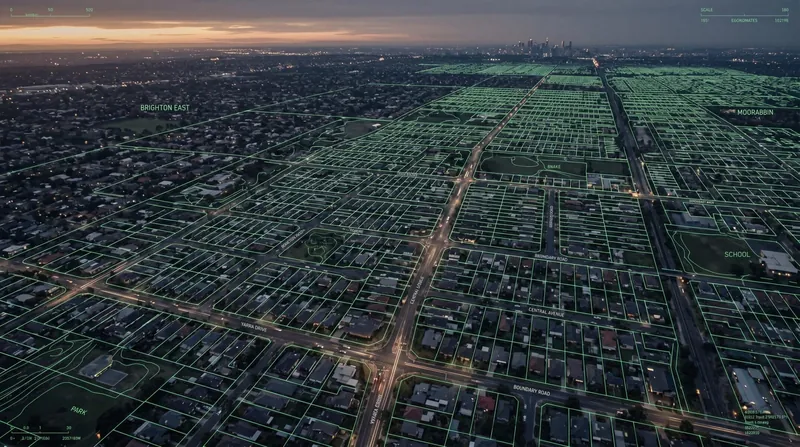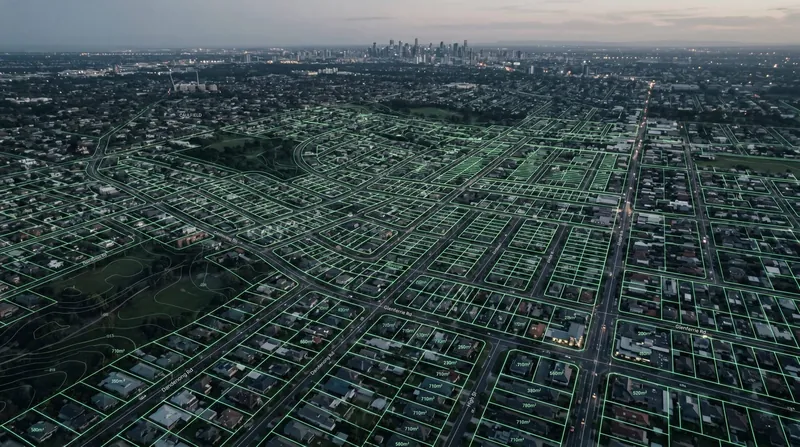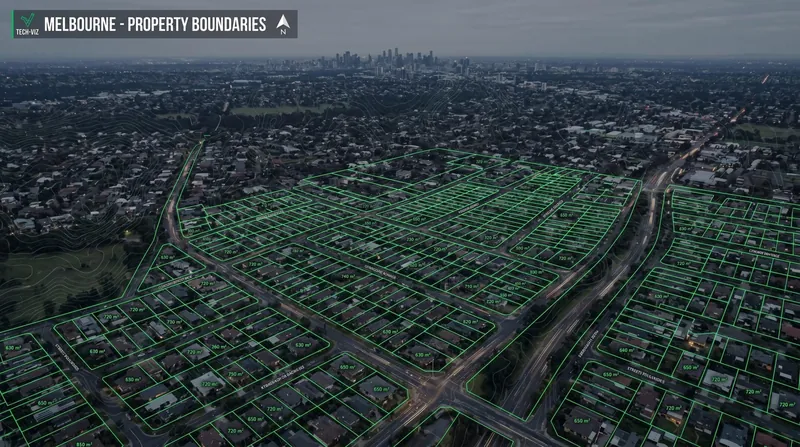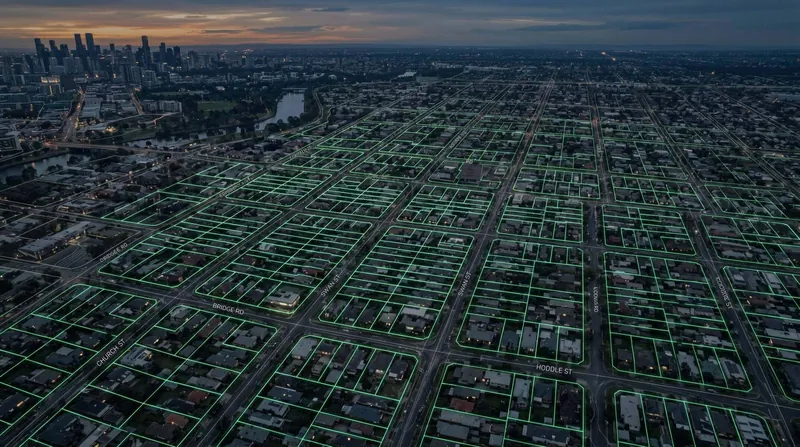
Whether you can subdivide your land in Victoria depends mainly on four things: your zone, your lot size, any overlays affecting the site, and any title restrictions such as a covenant or a single-dwelling Section 173 agreement. If the zone permits it, the lot is large enough to create compliant lots, there are no blocking overlays or covenants, and each new lot can get legal access and services, subdivision is generally possible — but it always requires a planning permit from your council. This guide explains what decides it and how to check your block before spending money.
This is general information about Victorian planning, not legal or planning advice — whether a specific site can be subdivided depends on its zone, schedule, overlays and title, so confirm with your council and a licensed surveyor.
The four things that decide whether you can subdivide
Most subdivision questions in Victoria come down to zone, lot size, overlays and title restrictions. Each can either enable or block a subdivision regardless of the others — so all four need to stack up.
- Zone — your residential zone sets the minimum lot size and development standards. The General Residential Zone (GRZ) and Neighbourhood Residential Zone (NRZ) are the most common; the Low Density Residential Zone has much larger minimums.
- Lot size — each new lot must be big enough to meet the planning scheme’s standards (and to support a compliant dwelling).
- Overlays — heritage, significant landscape, vegetation protection, bushfire and flood overlays can restrict or prevent subdivision.
- Title restrictions — a restrictive covenant or a single-dwelling Section 173 agreement on your title can prevent a second lot unless it is removed or varied.
Is my land big enough? Indicative minimum lot sizes
There is no single state-wide minimum lot size for subdivision in Victoria — it is set by your zone and the council schedule. As an indicative guide for the common residential zones:
| Residential zone | Indicative minimum lot size |
|---|---|
| Neighbourhood Residential Zone (NRZ) | ~300 m² (schedule-dependent) |
| General Residential Zone (GRZ) | ~300 m² (schedule-dependent) |
| Residential Growth Zone (RGZ) | ~200 m² |
| Low Density Residential Zone (LDRZ) | Much larger (often 0.2–0.4 ha) |
As a rough rule, a standard two-lot subdivision in the GRZ or NRZ usually needs a block comfortably above the minimum so that both resulting lots can meet the standards — the minimum garden area requirement is often the figure that actually decides whether a two-lot split works.
What can stop a subdivision even on a big enough block
A lot can be large enough and still not be subdividable if any of these apply:
- A restrictive covenant limiting the land to a single dwelling — common on older titles and difficult to remove.
- A single-dwelling covenant or Section 173 agreement registered on the title.
- An overlay — a Heritage Overlay, Significant Landscape Overlay, Vegetation Protection Overlay or Bushfire Management Overlay can restrict or prevent new lots.
- No legal access or services — each new lot needs legal access to a road and the ability to connect water, sewer, drainage, electricity and telecommunications.
This is why a title search and a check of your planning scheme are essential before assuming a block can be split.
Get the 7-point site check to run before committing to a permit application — zoning, overlays, setbacks and council red flags, in plain English. Free PDF, instant download.
- Zone, overlay & setback checks
- What council assesses first
- Permit-readiness red flags
Something went wrong. Please try again.
No spam. Unsubscribe anytime.
Check your inbox — your checklist is on its way.
How to check whether your land can be subdivided
The practical sequence is: check your zone and overlays, check your title for covenants, then confirm the lots can meet the standards.
- Check your zone and overlays using the Victorian Government’s free planning property report (VicPlan).
- Check your Certificate of Title for covenants or a Section 173 agreement (these also appear on a Section 32 statement).
- Confirm the resulting lots can meet the standards — minimum lot size, garden area, access and servicing — ideally with a licensed surveyor or architect.
For a fast first read on whether a Melbourne block looks subdividable, our free Subdivision Screener gives an instant indicative result from your address — then a site-specific feasibility assessment can confirm the pathway, likely yield and costs. For the full process once you proceed, see our guide on how to subdivide land in Victoria.
Frequently asked questions
How do I know if my land can be subdivided in Victoria?
Check four things: your residential zone (which sets the minimum lot size), your lot size (whether it can create compliant lots), any overlays affecting the site, and your Certificate of Title for covenants or a Section 173 agreement. If the zone permits it, the lots can meet the standards, there are no blocking overlays or covenants, and each lot can get legal access and services, subdivision is generally possible with a planning permit. A free indicative check or a feasibility assessment can confirm it for your block.
What is the minimum land size to subdivide in Victoria?
There is no single state-wide minimum — it is set by your zone and council schedule. As an indicative guide it is around 300 m² per lot in the General and Neighbourhood Residential Zones and around 200 m² in the Residential Growth Zone, but the garden area requirement and a ResCode assessment can mean you need a larger block for a two-lot subdivision. Confirm the binding figure in your planning scheme.
Can a covenant stop me subdividing my land?
Yes. A restrictive covenant or a single-dwelling Section 173 agreement registered on your title can prevent a second lot, even if the zone and lot size would otherwise allow it. Removing or varying a covenant is possible in some cases but can be difficult and is not guaranteed — check your Certificate of Title early.
Do I need a planning permit to subdivide land in Victoria?
Yes. Subdividing land in Victoria requires a planning permit from your local council. Some straightforward two-lot subdivisions may qualify for the faster VicSmart pathway, but a permit is still required.
This article provides general information only. For project-specific guidance, consult with qualified professionals.
SQM Architects — ABN 32 600 928 390, ARBV Reg. No. 51498. This article is general information about Victorian planning and development, not personal, legal or financial advice.