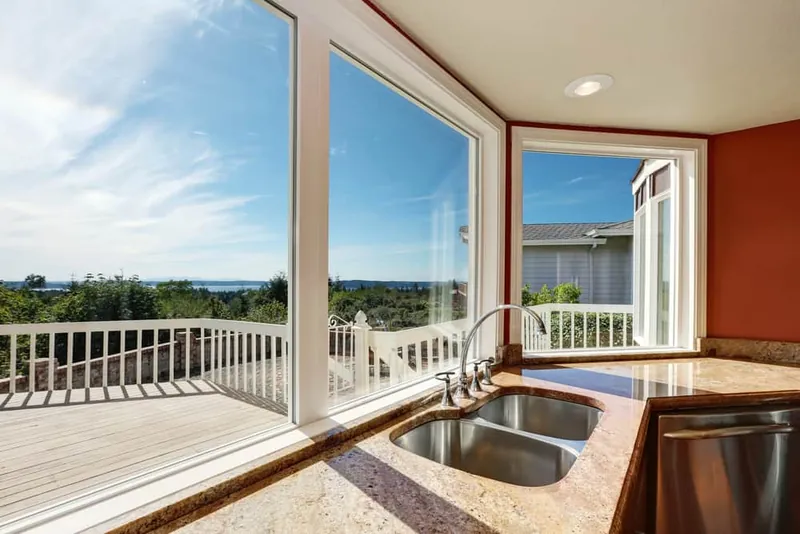
Are you looking to replace or install new windows in your home or office? One of the most important factors to consider is the window size. Standard window sizes are a popular choice for many homeowners as they are readily available and can be more affordable compared to custom sizes. In this article, we will guide you through the standard window sizes available in Australia and help you make an informed decision for your next window installation or replacement project.
Standard window sizes are pre-made windows that are manufactured in specific sizes to fit most window openings. These sizes are determined by the manufacturer and are based on the most common window dimensions used in the construction industry. The most popular standard window sizes include double-hung, sliding, casement, awning, and bi-fold windows. These windows come in a range of sizes and configurations to suit different needs and preferences.
Knowing the standard window sizes available can help you choose the right window for your home or office. It can also help you plan for the installation process and avoid any costly mistakes. In the next section, we will provide a comprehensive guide to the standard window sizes available in Australia, including the dimensions, configurations, and types of windows available.
Understanding Window Sizes
When it comes to choosing the right windows for your home, understanding window sizes is crucial. There are a few things to keep in mind when it comes to window sizes, including measurements, size notation, and standard size charts.
Firstly, window sizes are typically measured in millimetres (mm). This is because millimetres provide a more precise measurement than other units of measurement. When measuring a window, you will need to measure both the width and the height.
Secondly, size notation is an important aspect of understanding window sizes. Size notation refers to the way that window sizes are written down. For example, a window size of 1200mm x 900mm would be written as 1200W x 900H. The “W” stands for width, and the “H” stands for height.
Thirdly, standard size charts are available to help you choose the right window sizes for your home. These charts provide standard window sizes for different types of windows, including double-hung windows, awning windows, and bi-fold windows. These charts also provide a range of sizes for each type of window, allowing you to choose the perfect size for your home.
It is important to keep in mind that standard window sizes may not always fit your home perfectly. In some cases, you may need to have custom windows made to fit your home’s unique dimensions. This is where working with a professional window installer can be helpful, as they can help you choose the right window sizes and ensure that they are installed properly.
Types of Windows
When it comes to choosing windows for your home, there are many types to choose from. Each type has its own unique features and benefits. Here are some of the most common types of windows you might consider:
Sliding Windows
Sliding windows are a popular choice for many homeowners. They are easy to use and provide excellent ventilation. Sliding windows are available in a variety of sizes, from small bathroom windows to large living room windows. They are also available in different materials, including wood, vinyl, and aluminum.
Awning Windows
Awning windows are hinged at the top and open outwards from the bottom. They are a great choice for areas that need ventilation even when it’s raining. Awning windows are often used in basements and bathrooms.
Casement Windows
Casement windows are hinged on the side and open outwards. They are a great choice for areas that need maximum ventilation. Casement windows are often used in kitchens and living rooms.
Double-Hung Windows
Double-hung windows are one of the most common types of windows in Australia. They have two sashes that slide up and down. Double-hung windows are a great choice for areas that need good ventilation and easy operation.
Fixed Windows
Fixed windows do not open. They are a great choice for areas that need natural light but don’t require ventilation. Fixed windows are often used in hallways and stairwells.
Picture Windows
Picture windows are large, fixed windows that provide a clear view of the outside. They are a great choice for areas that have a beautiful view. Picture windows are often used in living rooms and bedrooms.
Custom Windows
Custom windows are made to order to fit your specific needs. They are a great choice for areas that require a unique size or shape. Custom windows are available in a variety of materials, including wood, vinyl, and aluminum.
New Construction Windows
New construction windows are designed for new homes or buildings. They are a great choice for areas that require a specific size or shape. New construction windows are available in a variety of materials, including wood, vinyl, and aluminum.
Replacement Windows
Replacement windows are designed to replace old, worn-out windows. They are a great choice for areas that need better insulation or improved security. Replacement windows are available in a variety of materials, including wood, vinyl, and aluminum.
Bay Windows
Bay windows are a combination of three or more windows that extend out from the house. They are a great choice for areas that need more natural light and a larger view. Bay windows are often used in living rooms and dining rooms.
Standard Window Sizes in Australia
If you are looking to replace or install windows in your home in Australia, it’s helpful to know the standard window sizes that are available. Knowing the standard sizes can help you plan and budget for your project, as well as ensure that you are getting the right size windows for your home.
Wideline, a leading manufacturer of windows and doors in Australia, provides a comprehensive list of standard window sizes for different types of windows. Some of the most common types of windows and their standard sizes are:
- Sliding windows: The standard width for sliding windows ranges from 900mm to 1800mm, while the standard height ranges from 600mm to 1200mm.
- Double-hung windows: The standard width for double-hung windows ranges from 900mm to 1800mm, while the standard height ranges from 1200mm to 2100mm.
- Awning windows: The standard width for awning windows ranges from 600mm to 2100mm, while the standard height ranges from 610mm to 2650mm.
- Bi-fold windows: The standard width for bi-fold windows ranges from 944mm to 1540mm, while the standard height ranges from 970mm to 2530mm.
It’s important to note that these are just the standard sizes, and custom sizes are also available. Additionally, some manufacturers may offer slightly different standard sizes, so it’s always best to check with your manufacturer or supplier before making a purchase.
When selecting the right window size for your home, it’s important to consider factors such as the size of the room, the amount of natural light you want to let in, and the style of your home. Choosing the right size windows can not only enhance the aesthetic appeal of your home but also improve its energy efficiency.
Get the 7-point site check to run before committing to a permit application — zoning, overlays, setbacks and council red flags, in plain English. Free PDF, instant download.
- Zone, overlay & setback checks
- What council assesses first
- Permit-readiness red flags
Something went wrong. Please try again.
No spam. Unsubscribe anytime.
Check your inbox — your checklist is on its way.
Importance of Window Sizes
Window sizes play a crucial role in the comfort and functionality of your home. Choosing the right window size is important for several reasons, including natural light, ventilation, privacy, and energy efficiency.
Natural Light
Windows are a primary source of natural light in your home. The size and placement of your windows can have a significant impact on the amount of natural light that enters your home. Large windows allow more natural light to enter your home, creating a bright and welcoming atmosphere. However, too much natural light can cause glare and heat gain, which can be uncomfortable and increase your energy bills.
Ventilation
Windows are also important for ventilation. Proper ventilation helps to regulate the temperature and air quality in your home. Larger windows provide more ventilation, which can be particularly important in areas such as the kitchen and bathroom.
Privacy
Window size can also affect your privacy. If you live in a crowded area or near a busy street, you may want to consider smaller windows or windows with frosted or tinted glass to maintain your privacy.
Energy Efficiency
Choosing the right window size can also impact your home’s energy efficiency. Larger windows can increase heat gain in the summer and heat loss in the winter, which can lead to higher heating and cooling costs. Choosing windows with the right size and glazing can help to reduce your energy bills and maintain a comfortable indoor temperature.
Bedroom Windows
Bedroom windows are particularly important for comfort and privacy. Larger windows can provide more natural light and ventilation, but they can also compromise your privacy. Consider using smaller windows or windows with frosted or tinted glass in bedrooms to maintain your privacy.
Heating
Window size can also impact your home’s heating system. Larger windows can increase heat loss in the winter, which can lead to higher heating costs. Choosing windows with the right size and glazing can help to reduce heat loss and maintain a comfortable indoor temperature.
Choosing the Right Window Size
Choosing the right window size is an important aspect of designing your home. The size of your windows can affect the amount of natural light that enters your home and can also impact the energy efficiency of your home. As a general rule, you should keep the total glass area of your house between 20-30% of the total floor area. This will help to ensure that your home is well-lit and energy-efficient.
When choosing the size of your windows, you should consider the following factors:
- Wall space: The size of your windows will be limited by the amount of wall space available. You should choose a window size that fits well within the available wall space.
- Design options: The size of your windows will also depend on the design options available. Some window designs may only be available in certain sizes.
- Frame material: The frame material of your windows can also impact the size of your windows. Some frame materials may be able to support larger window sizes than others.
- Shapes: Different window shapes can also impact the size of your windows. Some window shapes may only be available in certain sizes.
- Adjustments: You may need to make adjustments to the size of your windows to ensure that they fit properly within your home’s design.
- Variations: There may be variations in standard window sizes depending on the manufacturer or supplier.
- Experience: It is important to work with an experienced window installer who can help you choose the right size windows for your home.
- Quote: You should also consider the cost of different window sizes when choosing the right size windows for your home.
Window Installation
Installing windows can be a daunting task, but with the right knowledge and tools, you can do it yourself or hire a professional installer. Here are some things to consider when installing windows:
Measuring Windows
Before ordering your windows, you need to measure the opening where the window will be installed. It is important to measure accurately to ensure a proper fit. Measure the width and height of the opening from the inside of the frame. Take three measurements for both the width and height, and use the smallest measurement to ensure a good fit.
Ordering Windows
When ordering your windows, make sure to specify the correct size and type of window. Double-check your measurements and ensure that the windows meet Australian standards.
Time and Money
Window installation can take anywhere from a few hours to a few days, depending on the number of windows and the complexity of the installation. Hiring a professional installer can save you time and ensure that the installation is done correctly. However, it can be more expensive than doing it yourself.
Installation by Installers
If you choose to hire a professional installer, make sure they have experience installing windows and are licensed and insured. Ask for references and check their credentials before hiring them.
Construction
Window installation involves removing the old window, preparing the opening, and installing the new window. The installation process may vary depending on the type of window and the construction of the building. It is important to follow the manufacturer’s instructions and use the correct tools and materials for the installation.
Environment and Window Sizes
When choosing the right window size for your home, it’s important to consider the environmental impact of your decision. The size of your windows can have a significant effect on your home’s energy efficiency, which in turn affects your carbon footprint and energy bills.
Awnings are a popular choice for windows in Australia, as they provide shade and ventilation while still allowing for natural light to enter your home. Awnings are particularly effective in hot and sunny climates, as they can help to reduce heat gain and keep your home cool. When choosing awning windows, it’s important to consider the size of the window opening, as larger windows may allow more heat to enter your home.
Timber is a popular choice for window frames in Australia, as it is a renewable resource that is both durable and aesthetically pleasing. However, it’s important to consider the environmental impact of your timber window frames, as some types of timber may be sourced from unsustainable forests. When choosing timber window frames, look for products that have been certified by the Forest Stewardship Council (FSC) or other reputable certification schemes.
In addition to the size of your windows, it’s also important to consider other factors that can affect the environmental impact of your home. For example, you may want to consider installing double-glazed windows, which are more energy-efficient than single-glazed windows. You may also want to consider installing window coverings such as blinds or curtains, which can help to reduce heat loss in winter and heat gain in summer.
Frequently Asked Questions
What are the typical sizes for standard windows in Australia?
Standard window sizes in Australia vary depending on the type of window. Double-hung windows typically range from 944 x 610 mm to 2100 x 2650 mm, while awning windows range from 600 x 610 mm to 2100 x 2650 mm. Bi-fold windows range from 944 x 970 mm to 1540 x 2530 mm. These ranges offer multiple options for both width and height, resulting in many standard options for each type of window.
What are the common dimensions of aluminium window frames?
Aluminium window frames are commonly available in a range of sizes. The most common widths are 50mm, 76mm, and 100mm, while the most common heights are 25mm, 40mm, and 50mm.
What are the standard window sizes for bedrooms in Australia?
There are no specific standard window sizes for bedrooms in Australia. However, it is generally recommended to have windows that provide adequate natural light and ventilation, while also being proportionate to the size of the room.
What are the most popular window sizes sold at Bunnings?
Bunnings offers a range of standard window sizes that are popular among customers. Some of the most popular sizes include 1200 x 1200 mm, 1200 x 900 mm, 900 x 900 mm, and 600 x 900 mm.
What are the standard window sizes for awning windows in Australia?
The standard sizes for awning windows in Australia range from 600 x 610 mm to 2100 x 2650 mm. These sizes offer various options for both width and height, making it easy to find a standard size that fits your needs.
What are the standard window sizes for Stegbar windows?
Stegbar offers a range of standard window sizes for their products. The most common sizes for their awning windows are 610 x 610 mm, 910 x 610 mm, and 1210 x 910 mm. For their double-hung windows, the most common sizes are 1370 x 1200 mm, 1800 x 1200 mm, and 2400 x 1200 mm.
Wrapping Up
Understanding standard window sizes is essential for efficient and effective window installation. By following these guidelines, you can ensure proper fit, functionality, and aesthetics in your architectural projects.
If you have any questions or need further assistance regarding standard window sizes, don’t hesitate to contact SQM Architects. Our knowledgeable team is here to provide guidance and answer any queries you may have. Reach out to us today and let’s discuss how we can help you with your window installation needs.